Exceptional aesthetic outcomes begin long before the first injection. When patients sit in your consultation chair, they often point to a specific line or hollow that bothers them. However, treating that single area in isolation rarely delivers harmonious results. True aesthetic expertise requires looking beyond the immediate complaint to evaluate the face as a unified, dynamic structure.
For licensed healthcare providers, mastering aesthetic patient assessment and treatment planning represents a vital professional milestone. Moving past basic injection points requires understanding facial proportions, aging patterns, and product rheology. Establishing a systematic evaluation framework ensures you can answer a fundamental clinical question with total confidence: where do we begin?
Quick Takeaway: Aesthetic patient assessment and treatment planning require evaluating the face as a connected system rather than treating isolated wrinkles. By analyzing facial proportions, structural aging patterns, and dynamic movement, injectors prioritize treatments effectively. Comprehensive assessment training helps providers design balanced, natural-looking plans that prioritize patient safety and satisfaction.
Understanding the Full-Face Perspective During Initial Consultations
During initial training, most injectors learn standard injection spots for specific facial zones. You practice treating nasolabial folds, adding volume to cheeks, or smoothing forehead lines. Yet, when you enter independent practice, patient presentations rarely match textbook diagrams.
You encounter patients with complex asymmetries, multi-layer volume loss, or unrealistic expectations about what a single syringe of filler can achieve. You might feel uncertain about how to sequence a multi-step plan without overwhelming the patient or compromising facial harmony.
This hesitation is entirely normal for dedicated providers. It signals a critical shift from technical execution to high-level clinical reasoning. Developing a structured assessment methodology transforms consultation anxiety into clear, methodical leadership through structured Virtual Training modules.
Why Treating Isolated Concerns Disrupts Facial Balance
In medical aesthetics, it is easy to focus primarily on the physical mechanics of injection. Selecting needle gauges, managing syringe pressure, and mastering tissue planes require intense concentration. However, brilliant technical execution cannot rescue a flawed treatment plan.
The human face ages across multiple structural layers simultaneously. Bone resorption, fat pad displacement, ligament laxity, and dermal thinning all contribute to visible changes on the skin surface. If an injector addresses surface lines without supporting deep anatomical foundations, the result often looks unnatural or heavy.
Comprehensive aesthetic consultation training teaches you to trace surface concerns back to their true anatomical origins by reviewing cases within an established Webinar Streaming Library. This diagnostic clarity ensures every product choice and injection depth serves a specific structural purpose.
Core Elements of a Systematic Facial Evaluation Framework
A systematic assessment framework protects patient safety while guiding artistic decision-making. Before developing a treatment strategy, leading injectors evaluate several core elements during every consultation.
Key Components of Facial Assessment
- Static and Dynamic Evaluation: Assessing facial structures both at rest and during active muscle animation to understand natural expression lines.
- Skeletal and Soft Tissue Analysis: Examining underlying bone support alongside superficial fat distribution and skin quality.
- Proportional Harmony: Evaluating vertical facial thirds and horizontal symmetry to maintain natural anatomical balance.
- Aging Vector Identification: Recognizing how gravity and tissue maturation shift facial volumes downward and inward.
- Patient Motivation Mapping: Listening closely to personal aesthetic goals while aligning expectations with anatomical realities.
Establishing Clinical Priorities Through an Inside-Out Approach
When a patient presents with multiple aging concerns, deciding what to treat first can feel overwhelming. Expert treatment planning relies on a logical, inside-out prioritization model.
The golden rule of facial balancing is to restore deep structural support before refining surface details. For example, if a patient exhibits midface volume loss that contributes to lower face laxity, addressing the cheeks first often lifts and restores tension across the lower face organically. Placing filler directly into superficial folds without securing foundational support wastes product and compromises outcomes.
Furthermore, sequencing treatments helps manage patient investment and downtime effectively. Establishing a phased roadmap allows providers and patients to track progress, evaluate healing, and achieve transformative results gradually and safely.
Aligning Product Selection With Multi-Layered Anatomy
An effective treatment plan matches the right product properties to the specific anatomical layer being treated. Product rheology encompasses elasticity, cohesivity, and viscosity.
Deep structural placement requires high-g-prime products that resist deformation and mimic bone or deep fat support. Conversely, superficial lines or dynamic areas like the lips require softer, highly flexible formulations that integrate smoothly into active tissue. Understanding how rheology interacts with dynamic facial anatomy prevents complications such as migration, contour irregularities, or Tyndall effects.
Definition: Aesthetic Treatment Planning
Aesthetic treatment planning is the systematic process of evaluating a patient's anatomical structure, aesthetic goals, and aging patterns to create a prioritized, multi-step roadmap for care. This strategic approach integrates advanced anatomy, product rheology, and safety protocols to deliver balanced, natural-looking enhancements.
What Structured Assessment Training Brings to Your Practice
Transitioning from isolated treatments to comprehensive facial planning requires targeted, expert-led instruction. High-quality educational programs bridge the gap between basic injection techniques and advanced clinical judgment.
Comprehensive training demystifies the consultation process through structured didactics and live case analysis. You learn how to conduct thorough medical histories, perform precise anatomical markings, and communicate complex treatment plans clearly to patients. This foundational preparation equips you to handle challenging anatomical variations with calm authority.
Designing Comprehensive Treatment Roadmaps for Every Patient
Elevating your assessment skills creates a profound, positive shift in your practice. From a clinical perspective, your results become more predictable, harmonious, and enduring.
From a practice perspective, comprehensive treatment planning transforms your client relationships. Patients immediately recognize the value of an injector who takes time to explain underlying facial aging rather than simply selling a syringe of product. This consultative expertise builds deep trust, increases patient retention, and generates high-value treatment plan commitments.
Signs You Can Benefit From Advanced Assessment Training
- You feel uncertain when structuring a multi-step treatment plan for patients with advanced aging.
- You want to improve your ability to communicate complex anatomical findings clearly during consultations.
- You frequently wonder whether to prioritize structural support or surface refinement during a session.
- You want a reliable methodology to evaluate facial asymmetry and proportions consistently.
Frequently Asked Questions
Q1: Why is comprehensive facial assessment important for aesthetic injectors?
A: Comprehensive facial assessment allows injectors to identify the root causes of facial aging rather than treating surface concerns in isolation. Evaluating bone structure, fat pads, and dynamic movement ensures treatment plans restore natural harmony and structural support safely.
Q2: How do injectors determine treatment prioritization during a consultation?
A: Injectors prioritize treatments by following an inside-out approach, securing deep structural support before refining surface details. Restoring foundational volume and skeletal integrity often improves secondary concerns organically, optimizing product use and patient outcomes.
Q3: What role does product rheology play in aesthetic treatment planning?
A: Product rheology dictates how a material behaves under physical stress, guiding injectors on which product elasticity and viscosity match specific anatomical planes. Selecting the correct rheology ensures structural stability in deep layers and smooth integration in superficial tissues.
Q4: How does advanced assessment training improve patient consultations?
A: Advanced assessment training provides a systematic framework for evaluating facial proportions, explaining aging patterns, and designing multi-step roadmaps. This structured clarity builds patient confidence, improves treatment acceptance, and fosters long-term clinical trust.
Mastering Facial Evaluation for Expert Clinical Results
Every master injector builds their career on a deep foundation of anatomical assessment and strategic treatment design. Elevating your consultation skills and mastering full-face planning allows you to deliver truly transformative results for your patients.
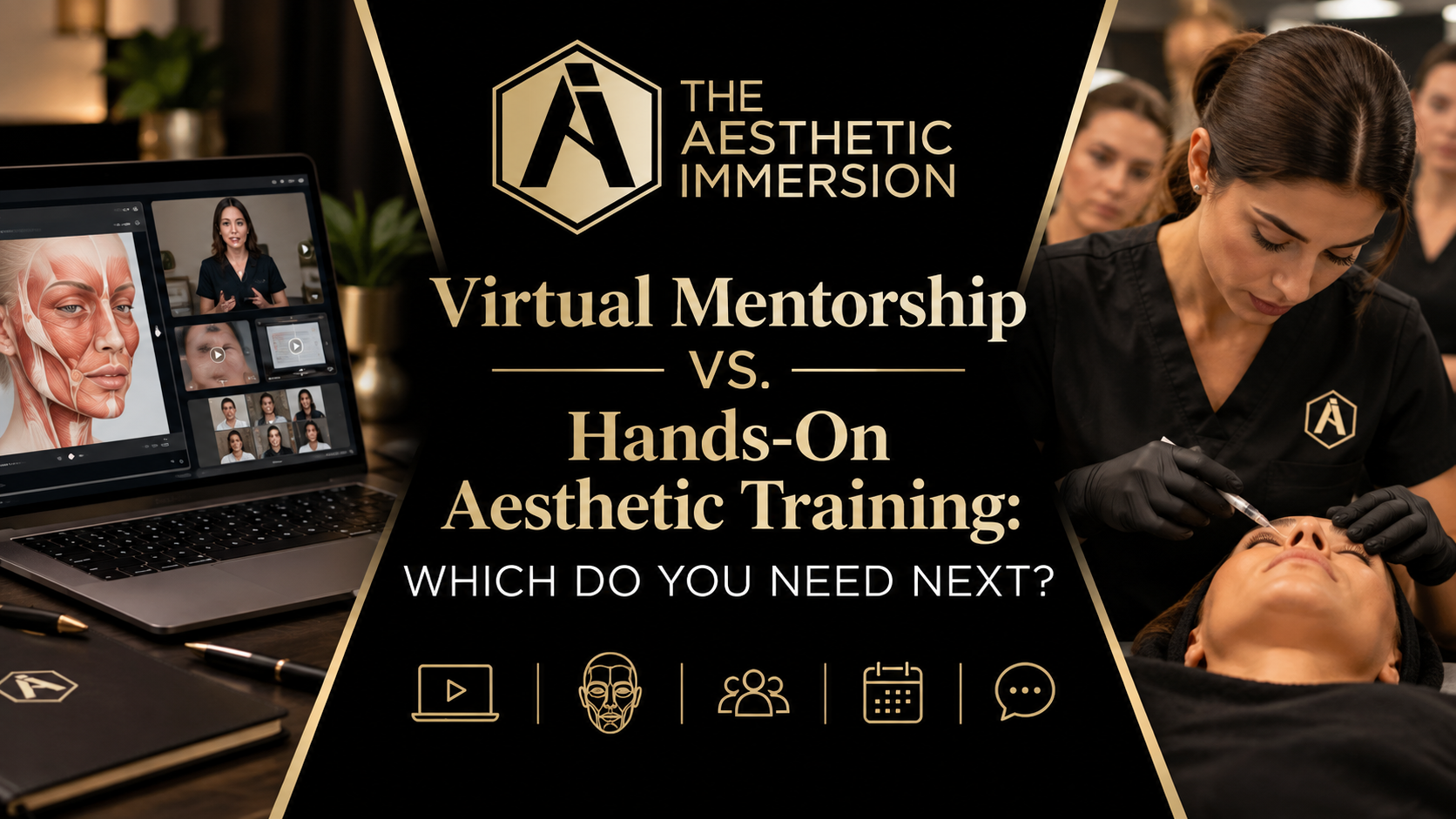
If you are ready to refine your clinical judgment and master comprehensive facial evaluation, we invite you to take the next step. Explore our specialized Hands-on Training cohorts to see how our anatomy-driven curriculum, expert faculty, and structured learning pathways can elevate your injection practice. You can also explore ongoing professional development through our Virtual Mentorship & Continuing Education for Aesthetic Professionals community. Connect with our team today to discover how our upcoming clinical programs can empower your professional journey with total confidence.